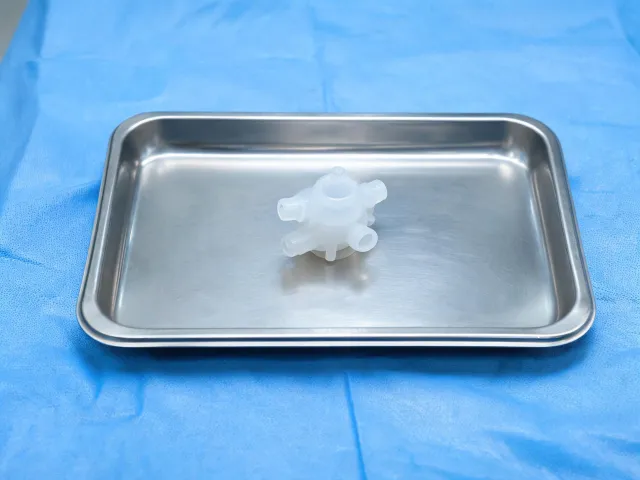
Wearable strap overmolds
Ask for LSR versus HCR, peel method, and the post-cure cycle written on the traveler.
Open an RFQ →Eligibility applies to qualified business buyers and is confirmed after we review your product, quantity, destination, and sourcing requirements.
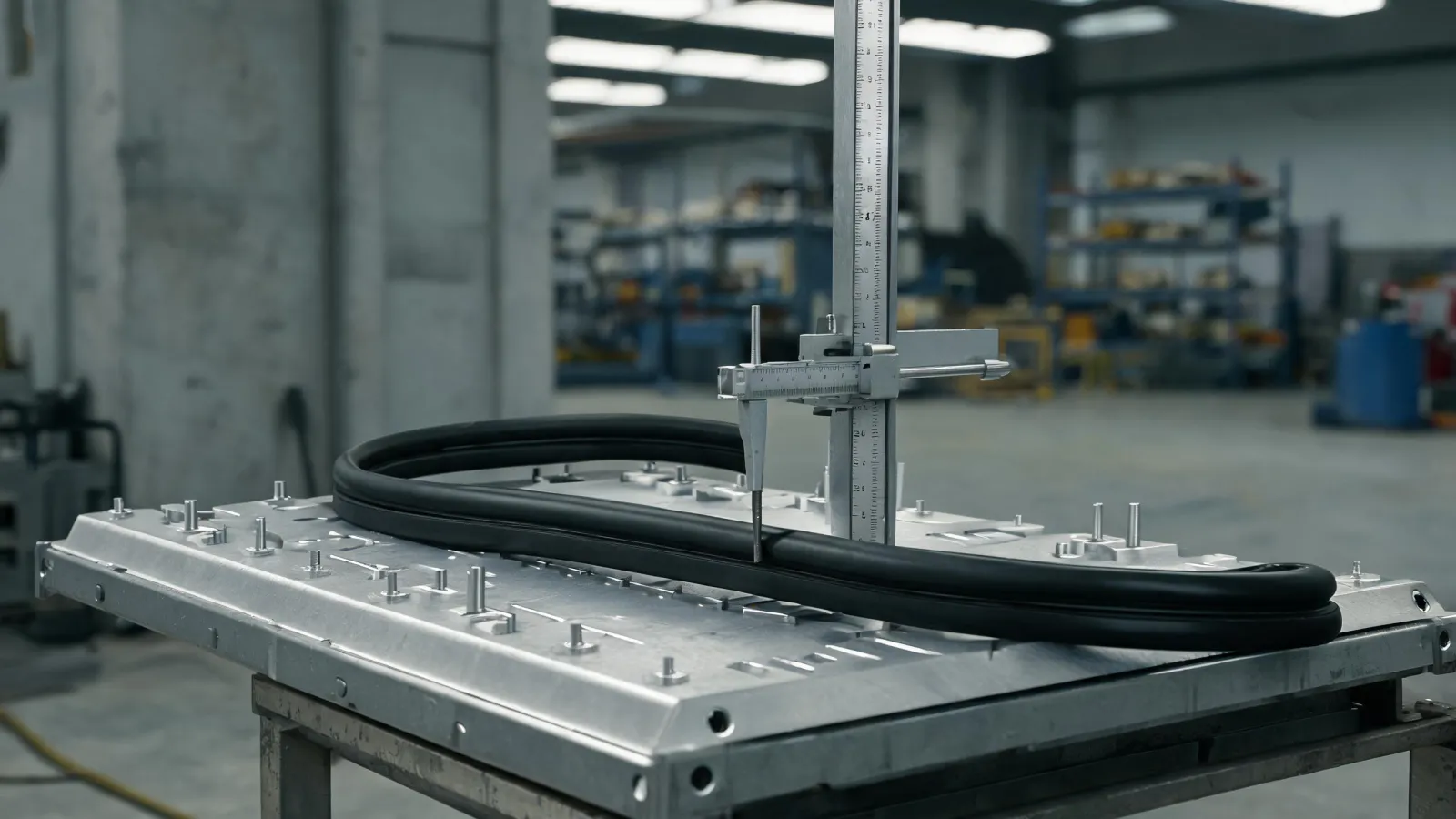
Each card lists what a rubber injection molding manufacturer should confirm for that use. Numbers of “completed programs” are not published here because this desk does not operate those plants.
Ask for LSR versus HCR, peel method, and the post-cure cycle written on the traveler.
Open an RFQ →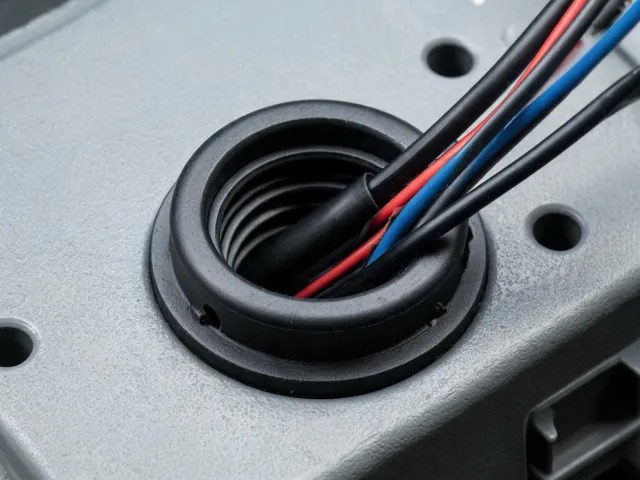
Ask for IATF 16949, PPAP level, and Cpk on sealing beads.
Open an RFQ →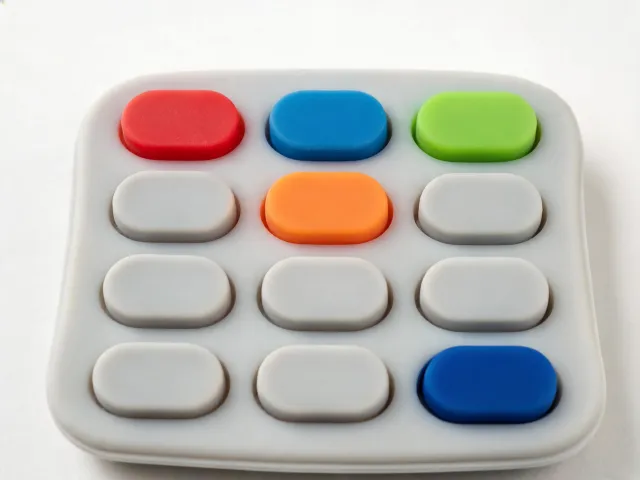
Confirm pigment matching, wear cycles, and food-contact if needed.
Open an RFQ →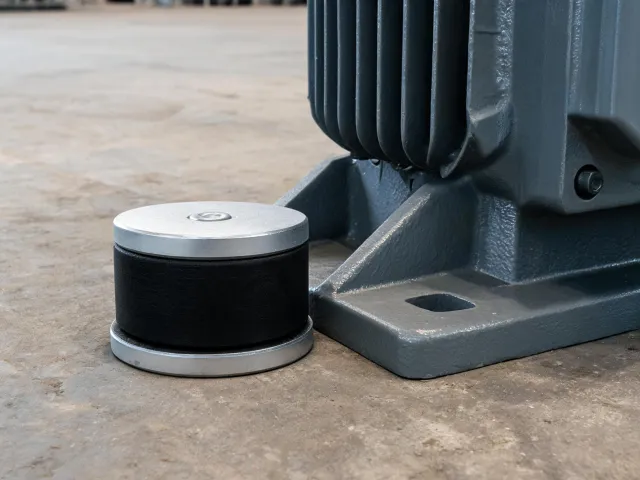
State load, temperature, and oil exposure so the compound is comparable.
Open an RFQ →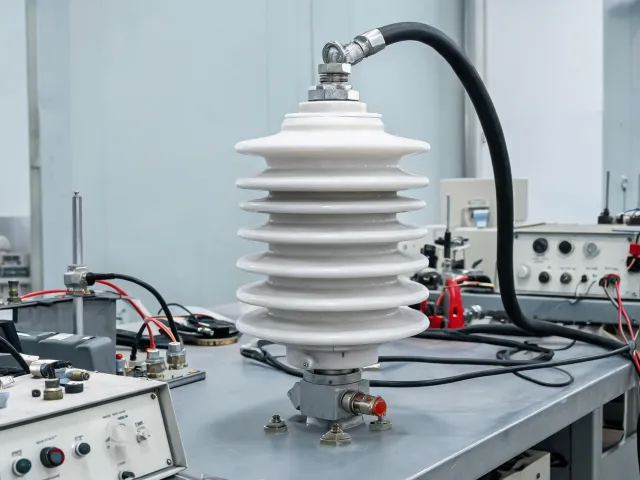
Record dielectric claims as supplier tests, not as this desk’s rating.
Open an RFQ →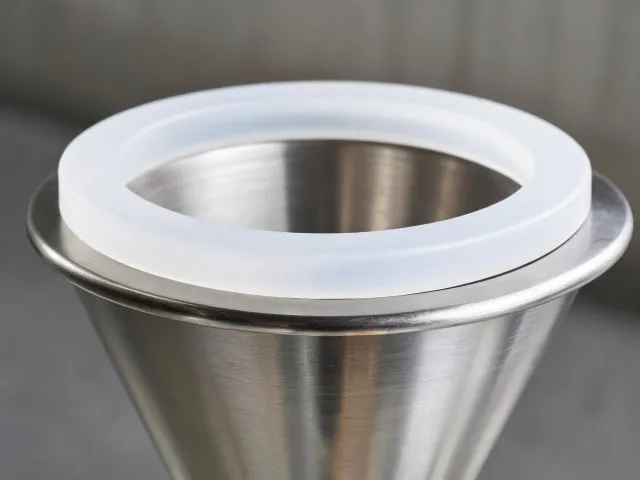
Request FDA or equivalent compound files and oven records.
Open an RFQ →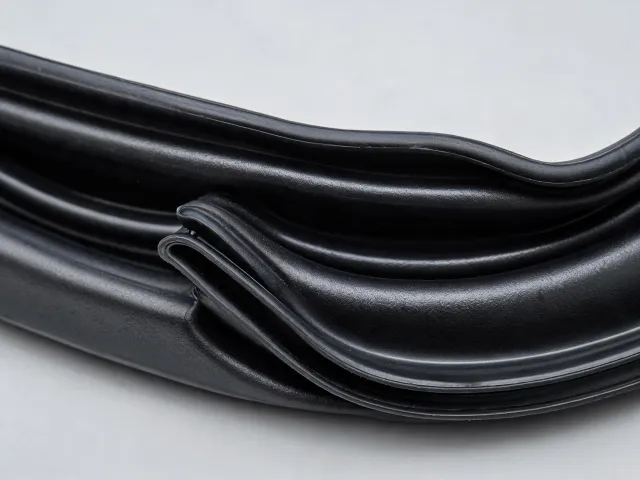
Write compression set targets and whether splice joints are allowed.
Open an RFQ →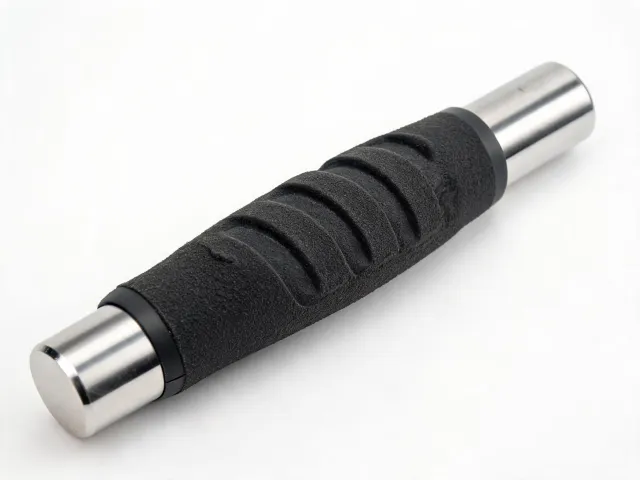
Identify insert source, bond primer, and pull-test method.
Open an RFQ →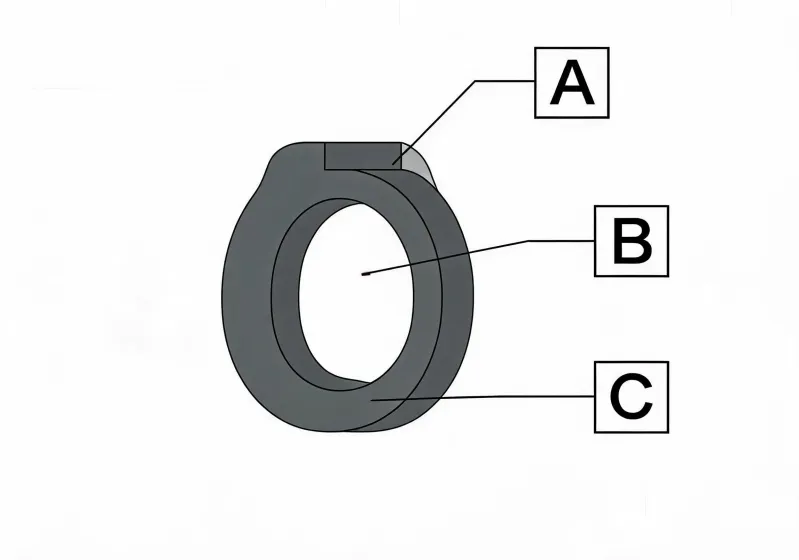
A phrase such as “wearable band” does not tell a rubber injection molding manufacturer which buckle datum, flash rule, or extractables test will decide acceptance. Write the datum scheme, the Shore A window, and whether a T1 strap will be used as the golden part. If the lot later sits against skin for hours, say so before packing is quoted.
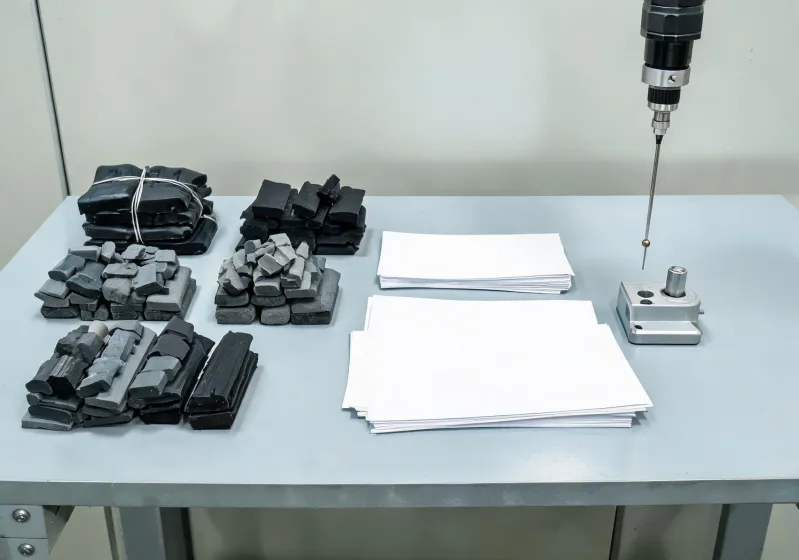
Prototype, bridge, and production lots need separate dates. If the receiving dock requires labeled totes, lot traceability, or a traveler that already shows post-cure hours, put those constraints on the RFQ. Unstated site rules become freight surprises, not factory defects.
| Decision | Path A | Path B |
|---|---|---|
| Compound | LSR for flash control, pigment, and skin comfort | HCR when thicker wings, mill-mix, and material cost dominate |
| Tooling | Aluminum / MUD for T0–T1 strap samples and short EAU | Steel when shot life and buckle-flash stability matter |
| Post-cure | Printed oven hours on the traveler before Shore is scored | As-molded hardness only, accepted in writing as a risk |
| Location | Domestic iteration and easier strap audits | Offshore piece price with longer freight and IP handling |
These are selection factors, not a verdict. Each rubber injection molding manufacturer must write which path it assumed. Shot weight, clamp tonnage, Shore A, and Class 101 versus Class 105 tooling life stay as supplier statements until a quotation names them. A tighter GD&T call on a non-sealing strap wall can raise scrap without changing comfort, so the buyer should mark which items are paid inspection.
Medical-adjacent lots only. Confirm the LSR cell is in scope.
Automotive lots that will run PPAP.
Electrical parts need a supplier test method, not a logo.
Wearable and food-adjacent parts. Ask for the compound letter plus traveler oven hours.
Write use, documents, delivery stages, and dock constraints with the drawing. We will ask plants for wholesale numbers on that same strap packet and then line up landed totals, without claiming a factory of our own.
Eligible sourcing support may be available up to 3% after requirement review.
Eligibility applies to qualified business buyers and is confirmed after we review your product, quantity, destination, and sourcing requirements.
This is not a fixed discount, lowest-price promise, or a statement that every order receives the same support.
Submit procurement requirements